Impactful Giving: Support Cancer Survivors


Thanks to everyone who supported cancer survivors at our Gut Check event! 

Your gifts will strengthen Harper’s Hope, a comprehensive cancer survivorship program at Methodist Estabrook Cancer Center. 

Harper’s Hope services—from physical wellness classes to nutrition consults and social services—are available to all cancer survivors at any stage of their journey, regardless of where they received treatment.

It's not too late to donate. Every gift you make – any size – will make a difference for cancer survivors.


Donate Today
Women Connect

Gut Check | Resources

To ensure you have this important information at your fingertips, we're providing eco-friendly online resources from our Women Connect gut health event.

Gut health impacts all of us and all aspects of our lives: energy, hormones, mood and long-term disease risk. We appreciate everyone who joined usand brought friends and familyfor real talk about colon cancer and gut health.

A special thanks to our expert panelists:

  • Rajani Rangray, MD, Gastroenterologist, Methodist, Midwest Gastrointestinal Associates
    • To schedule an appointment with Dr. Rangray, call (402) 397-7057.
  • Deborah Willcox, RD, LMNT, LD, Chief Clinical Dietitian, Methodist Fremont Health 
  • “There’s a wide range of what’s normal when it comes to bowel movements,” said gastroenterologist Dr. Rajani Rangray. “What matters most is the consistency and shape.”

    For some people, going three times a day is normal; for others, three times a week is typical. What matters most is how stool looks and feels, not just how often you go. Tools like the Bristol Stool Chart can help people understand what’s typical.

    However, certain symptoms should never be ignored. “Blood in your stool is never normal," said Dr. Rangray. "That’s something you should always have checked.” Severe pain, unexplained weight loss, fatigue, or anemia are also signs it’s time to see a doctor.

    Fiber supports regular digestion, helps manage cholesterol and contributes to colon health.

    “Fiber is the unsung hero of digestive health,” said Deborah Willcox, Chief Clinical Dietitian, Methodist Fremont Health.

    Women should aim for about 25 grams of fiber per day, but many of us fall short. “Most people think they’re getting enough fiber—but when we actually track it, they’re not even close,” Willcox said.

    Fiber and hydration work together. Drinking enough water helps fiber do its job—softening stool and keeping digestion moving smoothly. Experts recommend increasing fiber gradually and pairing it with adequate water intake to avoid bloating or discomfort.

    Good sources of fiber include fruits, vegetables, whole grains, nuts, and legumes.

    Dr. Rangray summed it up this way: “If there’s one takeaway from today, it’s this: increase your fiber intake.”

    Colorectal cancer is the second leading cause of cancer death in women, but it is also one of the most preventable.

    Current guidelines recommend that average-risk adults begin colorectal cancer screening at age 45. Screening can be done through a colonoscopy, which allows doctors to detect and remove precancerous polyps, or through stool-based tests such as Cologuard that look for signs of cancer.

    Knowing your family history is also important. People with a first-degree relative (parent, sibling, or child) diagnosed with colorectal cancer before age 60 may need to start screening earlier and may be advised to have colonoscopies instead of stool-based tests.

    Early detection makes all the difference. Screening not only helps find cancer earlier—it can prevent cancer from developing in the first place by identifying and removing precancerous polyps.

    Gluten-free diets are medically necessary for people with celiac disease or certain diagnosed sensitivities. For others, eliminating gluten may not improve digestive health and can sometimes make it harder to get enough fiber.

    “Many gluten-free products don’t contain much fiber,” explained Deborah Willcox, Chief Clinical Dietitian, Methodist Fremont Health. Whole grains that contain gluten—such as wheat, barley and rye—are often important sources of fiber and micronutrients.

    If someone suspects gluten may be contributing to symptoms like bloating, gas or brain fog, experts recommend discussing it with a healthcare provider before making major diet changes. A balanced, diverse diet that includes whole grains can support heart health, digestion and the gut microbiome.

    The digestive system and brain communicate constantly through what scientists call the gut-brain axis. Stress, anxiety and emotional health can directly influence digestion, which is why people often experience stomach discomfort, bloating or changes in bowel habits during stressful periods.

    A healthy gut can support overall well-being, and everyday habits can help strengthen this connection. Experts recommend focusing on fiber-rich foods, regular physical activity, stress management, and good sleep.

    Dr. Rajani Rangray also noted that simple lifestyle choices can support digestion, including taking a short walk after meals, which can help stimulate the digestive system and reduce discomfort.

For more information about topics covered during our panel discussion, check out these articles from Methodist experts.

Women Connect

The Scoop on Poop

Paying close attention to your poop can reveal important clues about your health.

Medical providers use the Bristol Stool Form Scale (BSFS) to classify stools into seven categories based on shape and texture. 

Using this scale helps eliminate the guesswork and awkwardness of finding the right words when talking to your provider.

The scoop on poop and irritable bowel syndrome (IBS)
Women Connect

The Constipation Conversation

Constipation affects more than 4 million Americans, and women are three times more likely to experience it than men.

Researchers say this may have to do with the slower movement of food through a woman’s intestines and the effects of female hormones on the GI tract.

So, how often should you be going? And what can you do to help relieve your constipation?

Answers and expert insights on constipation
Women Connect

Mind-Gut Connection: Is Stress Hurting Your Health?

Your mind and gut are closely connected. 

Stress and anxiety can show up physically as bloating, cramping, and changes in digestion. Understanding this connection is an important step toward feeling better.

Read on to learn how stress affects your health—and what you can do about it.

Learn more about stress and the mind-gut connection
Women Connect

Probiotics: Benefits of Good Bacteria

Bacteria often get a bad rap as harbingers of disease, so many people are surprised to hear that there may be such a thing as “good bacteria," known as probiotics

Lately there has been an explosion in the probiotic market. Are these probiotic products the cure to all that ails you? Is the hype worth it?

Learn more about probiotics
Women Connect
Health Resources

The Best Way to Prevent Colorectal Cancer

Colorectal cancer is the second leading cause of cancer death in women in the U.S. Unfortunately, the rates of colorectal cancer are rising dramatically in younger adults, which has prompted a change in screening recommendations. 

The American College of Gastroenterology now recommends that colorectal cancer screenings begin at age 45 for individuals at average risk—five years earlier than the previous recommendation. When caught early, the 5-year survival rate is about 90%.

March is Colorectal Cancer Awareness Month. Now is the perfect time to consider when and how you should screen for this preventable and curable disease.

More information about colorectal cancer prevention

Women Connect


How to Use Your Free Cologuard® Kit

If you received a Cologuard® colorectal cancer screening kit at Women Connect, you can get step-by-step instructions for how to use it—including how to collect your sample, return your kit and access results—directly from the Cologuard support page.

Cologuard Kit Instructions & FAQs

  • If you were unable to pick up a free kit at our event, you can submit a request online and have a kit mailed directly to your address: Online request: at-home test kit
  • Please note: You must be between the ages of 45-74 and living within the Omaha Metro area in order to qualify.

Women Connect
Health Resource

3-Layer Gut Check

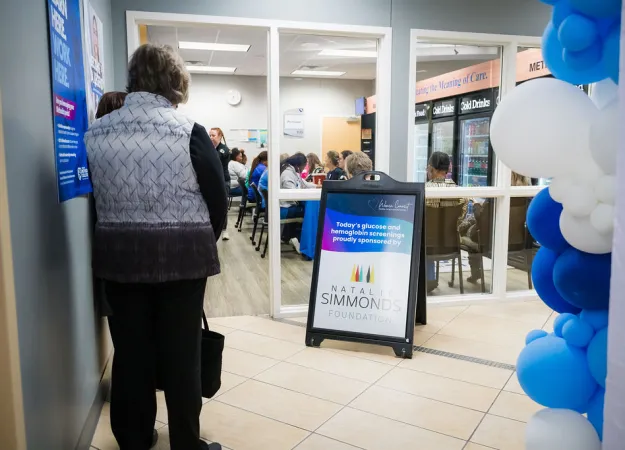
More than 80 women took advantage of free glucose and hemoglobin screenings at our Gut Check event. These quick checks can reveal important clues about overall and colorectal health. 

A hemoglobin test can detect iron-deficiency anemia, which may sometimes be an early sign of chronic blood loss in the gastrointestinal tract. 

A glucose test can reveal elevated blood sugar levels, which are linked to inflammation and an increased risk of colorectal cancer. 

While these quick checks do not diagnose cancer, they can highlight potential risk factors and encourage important conversations with a doctor. 

For more information, download our “3-Layer Gut Check” resource.

3-Layer Gut Check

As always, when it comes to you and any concerns you might have about your health, including gut health and colorectal cancer, speak with your doctor. 


  • Happy Colon Smoothie

    Download a copy of the recipe.

    Ingredients (1 serving)

    • 1 cup fresh spinach
    • ½ medium banana
    • ½ cup frozen mango (or pineapple)
    • 1 tablespoon ground flaxseed
    • 1 cup unsweetened almond milk (or milk of choice)

    Directions

    Blend until smooth.

    Estimated Nutrition (Per Serving)

    • Calories: ~210
    • Fiber: ~7–8g
    • Protein: ~4–6g (higher if using dairy milk)
    • Fat: ~7g (mostly healthy omega-3s from flax)
    • Carbohydrates: ~35g
    • Added Sugar: 0g (naturally occurring sugars only)

    Allergen Information

    Contains:

    • Tree nuts (if using almond milk)

    Potential allergens depending on swaps:

    • Dairy (if using cow’s milk)
    • Soy (if using soy milk)

    Naturally:

    • Gluten-free
    • Egg-free
    • Peanut-free (unless cross-contact)

    Gut Health Highlights

    • Excellent source of soluble + insoluble fiber
    • Flax adds omega-3s to support gut health.
    • Spinach adds magnesium to support regular digestion.
    • Prebiotic fiber feeds the good bacteria in your gut.

    Gut-Friendly Black Bean Tacos

    Download a copy of the recipe.

    Ingredients (2 tacos = 1 serving)

    • 2 small corn tortillas
    • ½ cup canned black beans (rinsed and drained)
    • ½ cup shredded cabbage
    • 2 tablespoons salsa
    • ¼ avocado (sliced)
    • Optional: 1 tablespoon plain Greek yogurt

    Directions 

    Warm tortillas, layer ingredients, and serve.

    Estimated Nutrition (Per Serving – 2 Tacos)

    Without yogurt:

    • Calories: ~350
    • Fiber: ~14–16g
    • Protein: ~11g
    • Fat: ~13g (mostly unsaturated)
    • Carbohydrates: ~50g

    With 1 tbsp Greek yogurt:

    • +10 calories
    • +1–2g protein

    Allergen Information

    Contains:

    • Dairy (if using Greek yogurt)

    Depending on brand, may contain:

    • Gluten (if using flour tortillas instead of corn)
    • Soy (some packaged tortillas)

    Naturally:

    • Vegetarian
    • Gluten-free (when using 100% corn tortillas)
    • Nut-free
    • Egg-free

    Gut Health Highlights

    • Provides over 50% of daily fiber needs for most women
    • Rich in starch (beans) that supports good bacteria in gut
    • High in plant diversity (beans, cabbage, avocado, corn)
    • Supports microbiome diversity
    • Associated with lower colorectal cancer risk when eaten regularly

    Chocolate Chip Peanut Butter Protein Bites

    Makes 24 servings

    Download a copy of the recipe.

    Ingredients

    • 3 cups rolled oats (with or without gluten)
    • 1/2 cup vanilla protein powder
    • 1 cup peanut butter(or any other nut/seed butter)
    • 1/2 cup maple syrup
    • 1/4 cup chocolate chips (optional)

    Directions

    • Combine oats with protein powder in a large bowl.
    • Add in peanut butter, syrup and any optional ingredients.
    • Form the dough into two dozen small balls. (It’s easier if you wet your hands or coat them with cooking spray.)
    • Refrigerate for about five minutes until set.
    • Store in a covered container in the refrigerator for up to four weeks. You can also freeze them for up to six months.

    Nutrition Facts

    • Calories: 98
    • Carbohydrates: 12g
    • Protein: 6g
    • Fat: 5g
    • Sodium: 57mg
    • Potassium: 131mg
    • Fiber: 2g
    • Calcium: 32mg
    • Iron: 1mg
    • Net Carbs: 10g

    Serving Size: 1 protein ball

    Allergen Information

    Contains: Peanuts
    May contain: Dairy, Soy, Gluten (depending on ingredients used)

    Gut Health Highlights

    • Rolled oats: Provide fiber to support regular digestion
    • Natural peanut butter: Adds healthy fats and protein to help keep blood sugar steady
    • Protein powder: Supports fullness and muscle health
    • Dark chocolate: Lowers cortisol (stress hormone) and improves insulin sensitivity

    Overall Benefit: A balanced snack to support digestion and keep you satisfied


    Dairy-Free Blueberry Banana Overnight Oats

    Makes 1 serving

    Download a copy of the recipe.

    Ingredients

    • ½ cup sweetened almond milk
    • ½ cup old-fashioned oats
    • ½ Tbsp chia seeds
    • ½ banana, mashed
    • 1 tsp agave syrup
    • 1 tsp lemon zest
    • ½ cup fresh blueberries

    Nutrition Facts

    • Calories: 309
    • Fat: 5.3g
    • Sodium: 95mg
    • Total Carbohydrates: 76g
    • Fiber: 10g
    • Sugar: 43g
    • Protein: 10g

    Serving Size: 10.8 oz

    Allergen Information

    Tree nuts (almond milk)

    Gut Health Highlights

    • Oats: Provide fiber that supports regular digestion and feeds healthy gut bacteria
    • Chia seeds: Add fiber and healthy fats to help keep things moving
    • Banana: Contains natural prebiotic fiber that supports good gut bacteria
    • Blueberries: Provide antioxidants that support overall gut and immune health
    • Dairy-free option for those sensitive to lactose

    Overall Benefit: High in fiber to support digestion, gut bacteria and steady energy


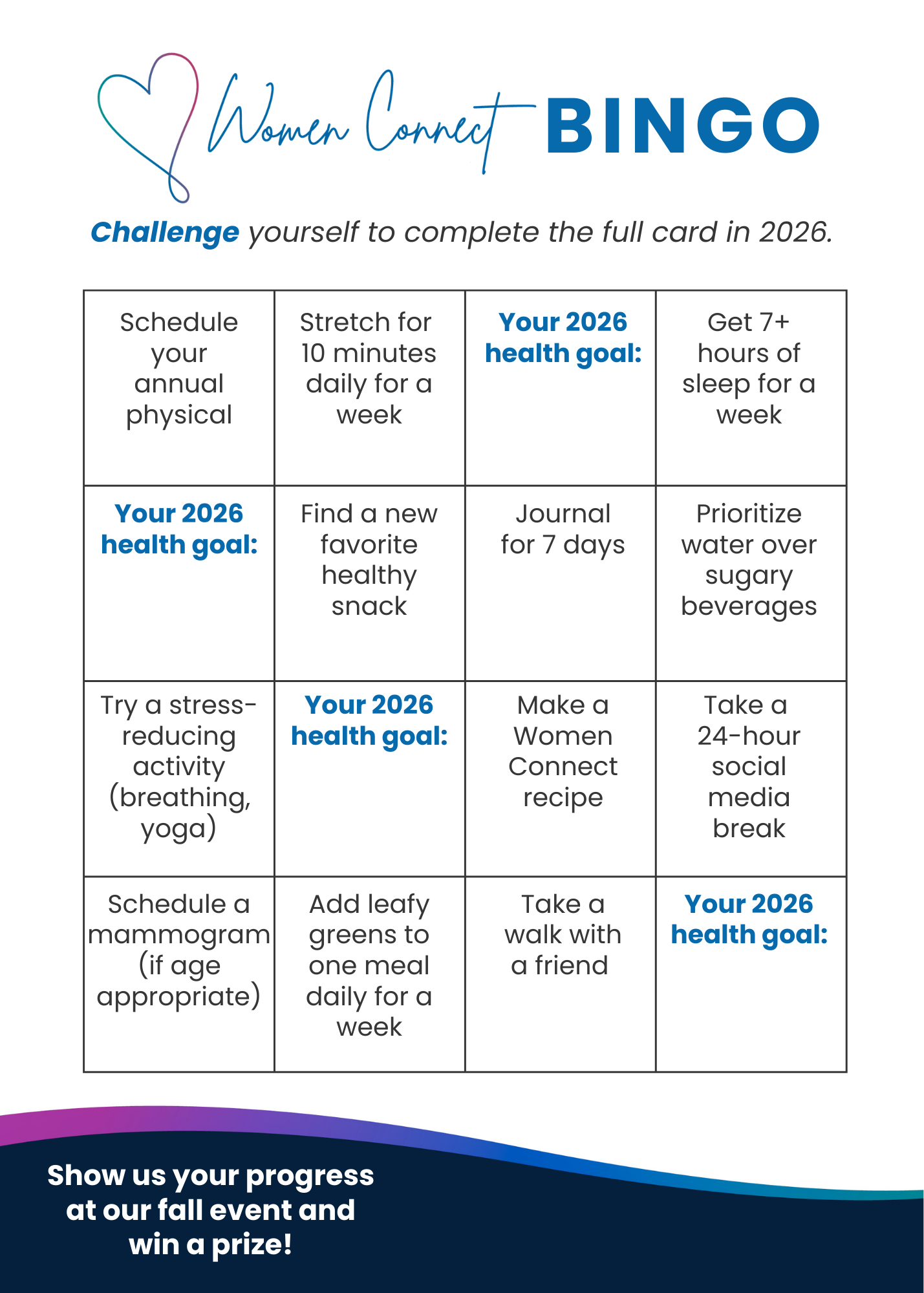
Need more Women Connect Bingo cards for friends and family? Click here or the image below to download extra copies.

Cheer each other on, make healthy changes together, and see who gets “BINGO” first! 

Women Connect

Have a friend or family member who would be interested in Women Connect

Please forward this link so they can learn more:  MethodistHospitalFoundation.org/WomenConnect